If you’re planning Kilimanjaro and a safari in Tanzania, you might have seen headlines about mandatory travel insurance for visitors.
The government has announced a flat-fee local policy (around US$44) that foreign non-residents will have to buy when entering mainland Tanzania.
It’s designed as a basic safety net for things like emergency medical treatment, baggage issues, rescue and repatriation.
That sounds reassuring. But, if you’re trekking Kili and heading out on safari, I wouldn’t treat it as your only line of defence.
In this guide, I’ll explain what this new cover does, how Zanzibar’s separate scheme works, and why I still buy my own full travel insurance including safari cover on top.
My Quick Takeaways:
Here’s how I think about it:
- Tanzania (and Zanzibar) are rolling out mandatory local insurance for foreign visitors. You’ll likely have to pay for it whether you want it or not.
- That cover is a baseline. It’s helpful, but not tailored to Kilimanjaro and safari.
- I always buy my own full travel insurance including safari cover on top.
- My international policy handles cancellation, multi-country travel, high altitude and gear, not just basic emergencies.
- I treat Kilimanjaro + safari as one trip, one main policy, with the local scheme as a backup layer.
- Before I fly, I check the latest entry and insurance rules via government advice, airlines and my operator.
Ready to learn more? Let's jump in.
What is Tanzania’s New Mandatory Travel Insurance?
The Tanzanian government has introduced a mandatory travel insurance scheme for foreign visitors entering mainland Tanzania (excluding most regional citizens).
Key points from official notices and industry updates include:
- You pay a fixed fee of about US$44 in Tanzanian shillings.
- It’s tied to the Insurance Act (CAP 394) and run via local insurers and the National Insurance Corporation.
- It’s meant to cover emergency medical treatment, rescue, baggage issues and repatriation during your stay.
Think of it as a state-backed, one-size-fits-all policy for inbound tourists. It is not a customised adventure plan.
Is the Mandatory Insurance Actually in Force yet?
The government has clearly signalled that mandatory insurance is coming, tying it to the 2025/26 budget.
Some official communications say implementation will start once regulations are published in the Government Gazette, with travellers then required to pay the fee on arrival.
At the same time, safari operators and trade bodies have been briefed to expect mandatory local insurance for all non-resident visitors, often quoting a start around mid-2025.
Because this is evolving, I’d always check:
- The latest FCDO / government travel advice for Tanzania,
- Your airline’s travel notices, and
- Your safari or Kili operator’s pre-departure emails.
But wait, if all of this sounds familiar, you’re right. Zanzibar already has mandatory travel insurance.
How is Zanzibar’s Mandatory Insurance Different?
Since 1 October 2024, all foreign visitors to Zanzibar (excluding residents) must have mandatory inbound travel insurance from Zanzibar Insurance Corporation (ZIC), covering up to 92 days.
The important details are:
- You must buy it from ZIC; other travel policies aren’t accepted.
- Airlines like Turkish Airlines now warn that passengers without it can be refused entry.
So if your Kilimanjaro or safari itinerary includes Zanzibar (even just a post-trek beach break), you’ll need that local ZIC policy as well as any other insurance you buy.
Well, what about the mandatory insurance in Tanzania? Does that replace normal insurance? Here’s what I found…
Does Mandatory Tanzanian Insurance Replace Normal Travel Insurance?
In my opinion: absolutely, yes. The mandatory local insurance is designed as a baseline safety net for all sorts of tourists – from city break visitors to business travellers.
It is not designed around:
- High-altitude trekking up to 5,895m on Kilimanjaro. For that, you’ll still need Kili trekking insurance.
- Multi-day safaris in remote parks. Yep, you still need safari insurance.
- Non-refundable expedition and lodge packages.
It also doesn’t replace:
- Pre-departure cancellation cover for flights and tours.
- Cover for trips outside Tanzania on the same itinerary.
- The higher limits you may want as a UK or US traveller.
I treat it as something that runs in the background, while my own policy does the heavy lifting.
What Does the Mandatory Policy Actually Cover?
From the government and embassy notices we’ve seen, the mandatory policy aims to cover:
- Emergency medical treatment in Tanzania.
- Rescue services and medical evacuation within the country.
- Loss or delay of baggage.
- Repatriation to your home country in emergencies.
Details like exact limits, exclusions and adventure-activity rules sit inside regulations and policy wording that may still be evolving.
Given the flat fee and mass-market goal, I see it as a basic in-country cover, not a tailored adventure policy for Kilimanjaro and safari.

Why I Still Buy Full Travel Insurance for Kili and Safari
Because my Kilimanjaro + safari trip is a lot bigger than “a few days in Tanzania”.
I still want a separate, comprehensive travel policy that:
- Starts cover before I leave home (for cancellation).
- Follows me across every country and connection.
- Explicitly covers high-altitude trekking and safari activities.
- Offers higher limits that match UK-style medical costs and evacuation expectations.
If something happens at 4,600m on Kili, or I need to cancel my trip months before departure, I’m not relying on a cheap, local, arrival-day policy to sort everything out.
Ready to get into the details? Here’s how I do it.
One Trip, Two Layers: How I Stack My Cover
I think about it in two layers:
1. Mandatory Local Cover:
I’ll get Zanzibar’s ZIC policy if I’m going there. And I know I will get Mainland Tanzania’s new scheme once it’s fully live.
2. My Own International Policy:
This is the insurance I will always buy before I pay big deposits. I’ll also make sure it covers trekking Kilimanjaro, safari and any other countries on the itinerary.
And don’t forget to look at the limits and benefits. Make sure they fit an adventure trip.
If I ever have to claim, I’d rather have both in play than find myself stuck with one small local policy that wasn’t built for what I’m doing.
What I Look for in My Own Policy (Beyond the Mandatory One)
What do I look for in a policy that covers Kilimanjaro and safari? For my own cover, I focus on:
- Altitude: Explicit cover up to (or above) 5,895m for Kilimanjaro.
- Activities: Game drives, walking safaris, maybe hot air ballooning.
- Medical & evacuation: High limits, including remote evacuation and onward transport.
- Repatriation: Clear, strong limits for getting back home.
- Cancellation & curtailment: Enough to match my trek + safari + flights.
- Baggage & gadgets: Realistic limits for camera gear and electronics.
The mandatory Tanzanian insurance doesn’t usually cover all of that in the way I want, so I treat it as “extra” rather than “instead of”.
Buying Travel Insurance for Safari in Tanzania (with Kili in The Mix)
Ready to buy cover for your Tanzania trip? My process looks like this:
Map the itinerary:
- Home → Tanzania (and any other countries) → home.
- Include Kilimanjaro route + safari days.
List activities and altitudes:
- Max height on Kili.
- Safari style: game drives, walks, balloon, etc.
Choose a policy/level that clearly covers those specifics.
Add the mandatory bits:
- ZIC inbound cover if I’m visiting Zanzibar.
- The new mainland scheme if required at the time I travel.
That way I’m never relying on a single, bare-bones policy to do everything.
Who do I personally use for my own cover? Easy: Rise & Shield insurance.
How Rise & Shield Fits Into My Planning
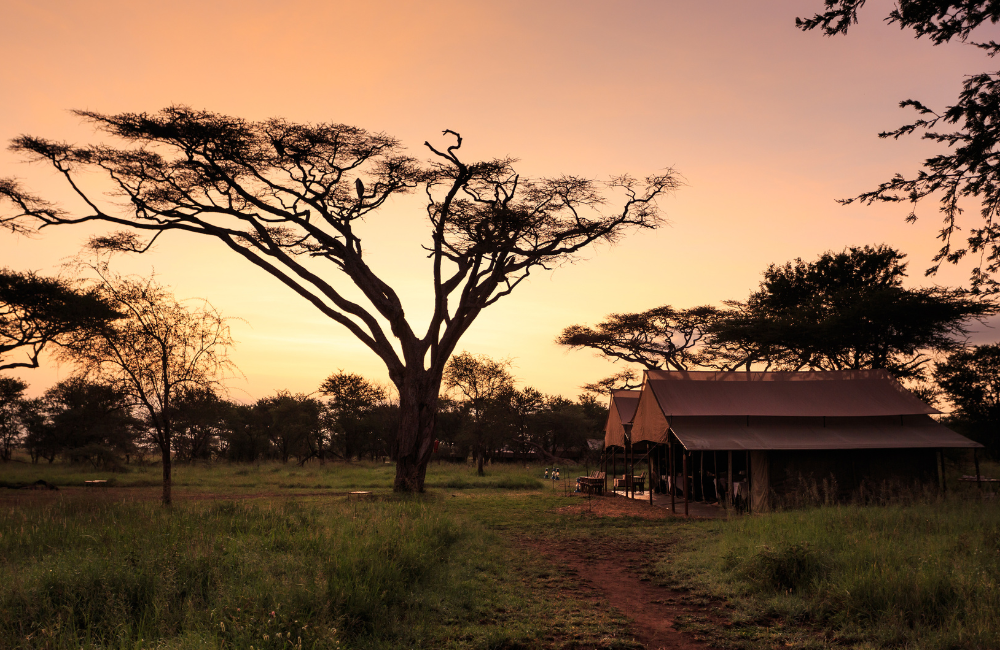
I tend to start with Rise & Shield’s safari travel insurance when I’m planning a Kili + safari combo.
Their policy is built to include safari activities, and you can combine that with cover for trekking at altitude on the same trip, as long as you choose the right options and meet the policy conditions.
What I like is being able to:
- Match my cancellation limits to what I’ve actually paid.
- Check altitude and activity limits before I hand over any money.
- Layer that cover on top of whatever mandatory local insurance Tanzania requires.
But (and this is important) I still read the full policy wording and ask questions if something isn’t clear.
FAQs: Mandatory Insurance and Buying Safari Cover in Tanzania
Will I be forced to buy Tanzanian insurance even if I already have my own policy?
Possibly, yes. Zanzibar already requires you to have inbound insurance from Zanzibar Insurance Corporation, and other policies are not accepted for entry.
For mainland Tanzania, the government has announced plans to make local insurance mandatory for foreign visitors as part of the 2025/26 budget.
So even if you have excellent coverage from home, you may still need to pay the local fee.
Does the mandatory policy cover me for climbing Kilimanjaro?
That’s the big question, and right now, I’d assume no, at least not in the way I’d want.
The government describes the scheme as covering emergency medical treatment, accidents, baggage issues, rescue and repatriation for typical visitors.
High-altitude trekking to almost 6,000m is a specialist activity that most generic policies restrict or exclude unless you buy specific cover.
Until I see crystal-clear wording saying “yes, this covers Kilimanjaro at X altitude”, I’d treat it as extra, not my primary Kili cover.
Is the mandatory insurance enough for my Tanzania safari?
In my view, it’s not enough on its own for a proper safari.
A US$44 flat-fee policy designed for every kind of visitor is unlikely to:
- Match the full cost of a non-refundable safari package.
- Provide the higher limits some travellers expect for medical and evacuation.
- Cover every optional extra (walking safaris, balloons, etc.).
I see it as useful in-country backup, but I still want a dedicated policy that clearly covers my specific safari plans.
Do I still need cancellation cover if Tanzania is insuring me locally?
Yes.
Government notices about the mandatory scheme focus on in-country emergencies and incidents, not on cancelling your trip months before you arrive.
If you get injured before departure, a family member falls seriously ill, or your airline collapses, you’ll want your own travel insurance policy (bought when you paid deposits) to help recover those costs, subject to its terms.
The local scheme doesn’t replace that.
What if I’m only doing a short safari after Kili?
Even a short safari can be expensive and remote. The length of the safari doesn’t change:
- How far you are from a major hospital.
- How much you’ve paid in lodge/park fees.
- The logistical cost of evacuations.
So yes, for a 2–3 day safari after Kilimanjaro, I still want proper travel insurance including safari cover, on top of whatever mandatory local policy Tanzania asks me to buy.
My Final Thoughts
And there you have it: I actually like the idea behind Tanzania’s mandatory travel insurance. It means fewer people end up stranded with no cover at all.
But as a Kilimanjaro trekker who also loves safari, I see it as a floor, not a ceiling.
The new government schemes in mainland Tanzania and Zanzibar aim to give everyone a basic safety net. My own travel insurance is what I rely on for:
- The serious money I’ve put into Kili and safari.
- High-altitude trekking and adventure activities.
- Multi-country flights and pre-departure risks.
If you treat the mandatory local policy as a bonus layer and still buy solid, adventure-ready cover – whether from Rise & Shield’s safari travel insurance or another provider – you’ll be free to focus on sunsets, summit views and lion sightings instead of paperwork and what-ifs.
